B
BIG PRAYER MUSEUM Truth • History • Humanity
← Return to Museum Stories
Big Prayer Museum™️ | Court of Life™️

Living the Legacy of Truth & Resilience

The Haitian Revolution: A Story That Changed the World.

Preserving Truth Inspiring Humanity Building Future Generations
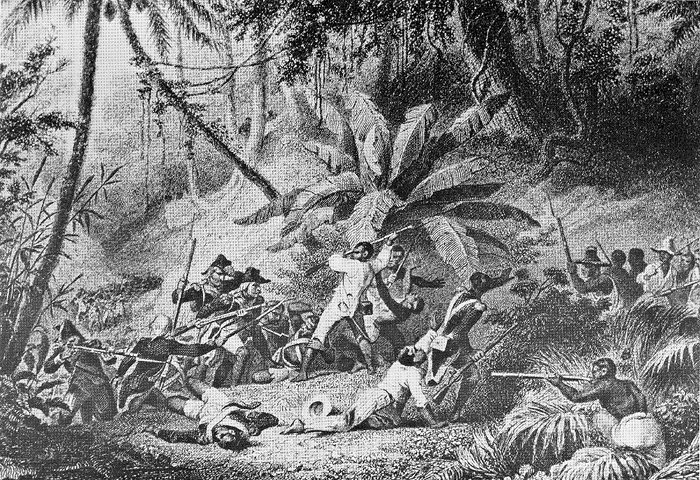
Historical depiction of the Battle of Ravine-à-Couleuvres during the Haitian Revolution
Historical depiction: Saint Domingue, Capture of Ravine-à-Couleuvres, 1802. Source: Library of Congress / Wikimedia Commons. Public-domain historical artwork.

From the colony of Saint-Domingue to the birth of Haiti, this is the story of a people who dared to dream of freedom — and changed the course of history.

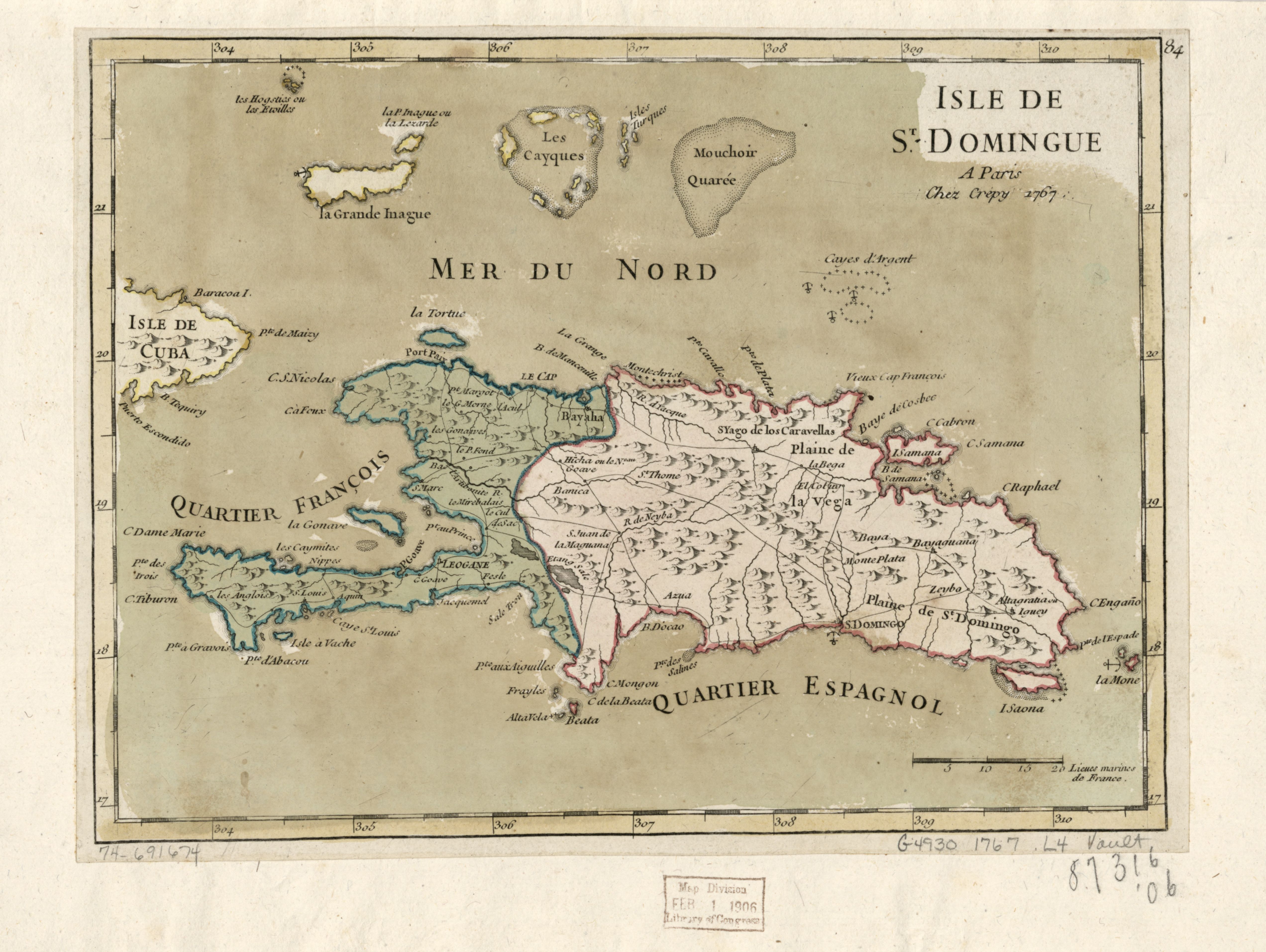
Historical map of Saint-Domingue
Archival map: Isle de St. Domingue. Source: Library of Congress / Wikimedia Commons.
1

Before the Revolution

In the late 1700s, the French colony of Saint-Domingue, present-day Haiti, was one of the wealthiest colonies in the world. It produced a large share of Europe’s sugar and coffee through the forced labor of hundreds of thousands of enslaved Africans.

The colony generated extraordinary wealth for France, but that prosperity came at an immeasurable human cost.
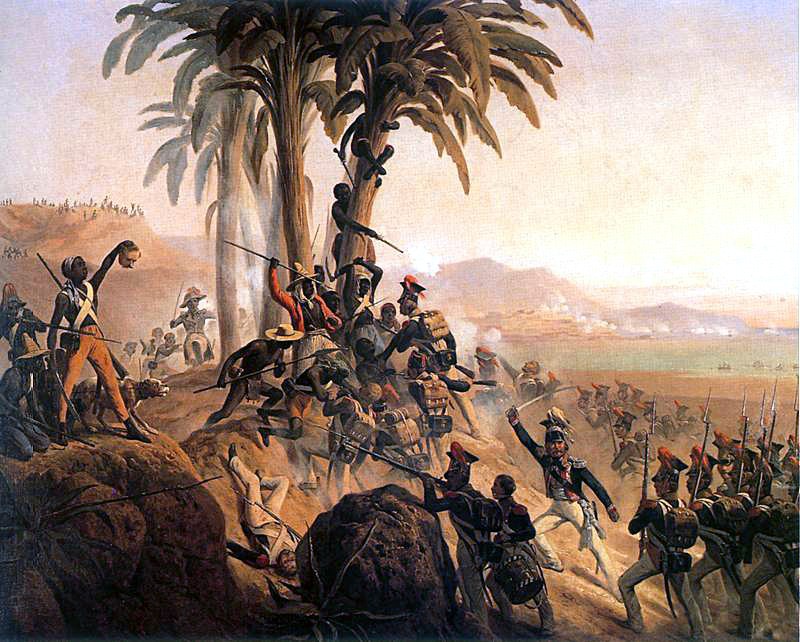
Historical artwork associated with battles of the Haitian Revolution
Historical artwork: Battle for Palm Tree Hill. Public-domain reproduction.
2

The Beginning of a Revolution

In 1791, enslaved people united in a remarkable struggle for freedom. Determined to end slavery, they organized, resisted, and launched what would become the only successful large-scale slave revolution in recorded history.

  • France sent its armies.
  • Spain intervened.
  • Britain committed tens of thousands of soldiers.
  • Napoleon later sent a major expedition under General Charles Leclerc.
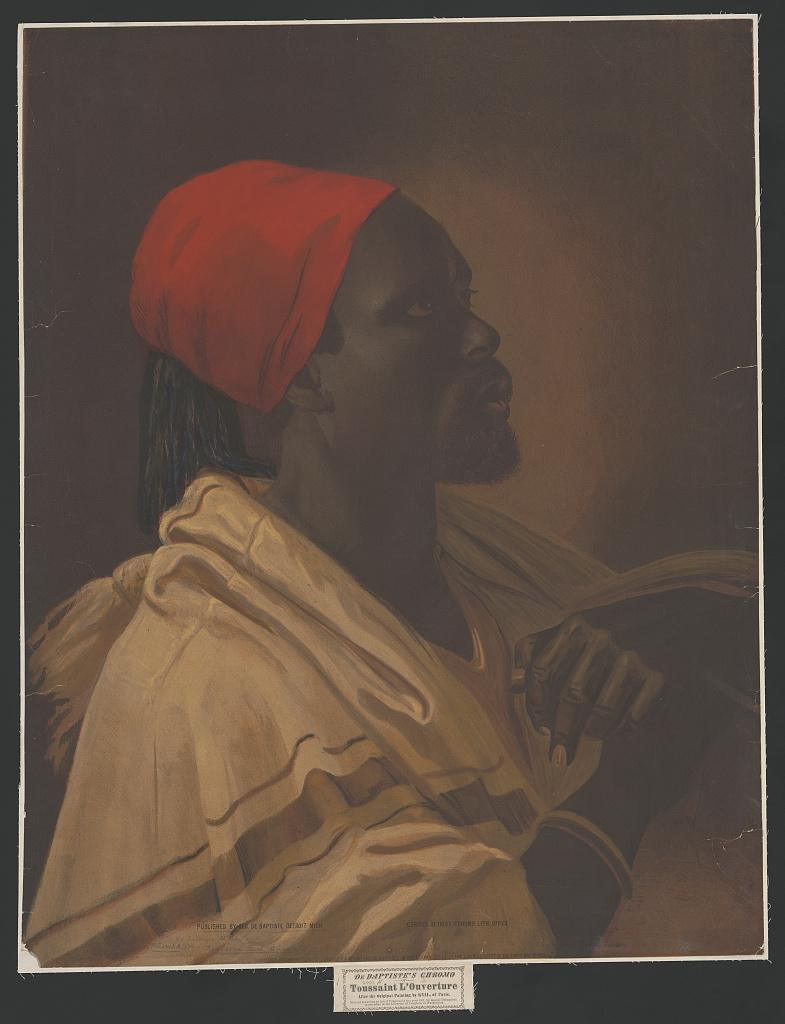
Portrait print of Toussaint L’Ouverture
Portrait print: Toussaint L’Ouverture. Source: Library of Congress.
3

A Historic First

On January 1, 1804, Haiti declared its independence. It became the world’s first independent Black republic and the first nation in the Western Hemisphere to permanently abolish slavery through a successful revolution.

This achievement changed the course of world history and inspired future movements for liberty and human dignity.

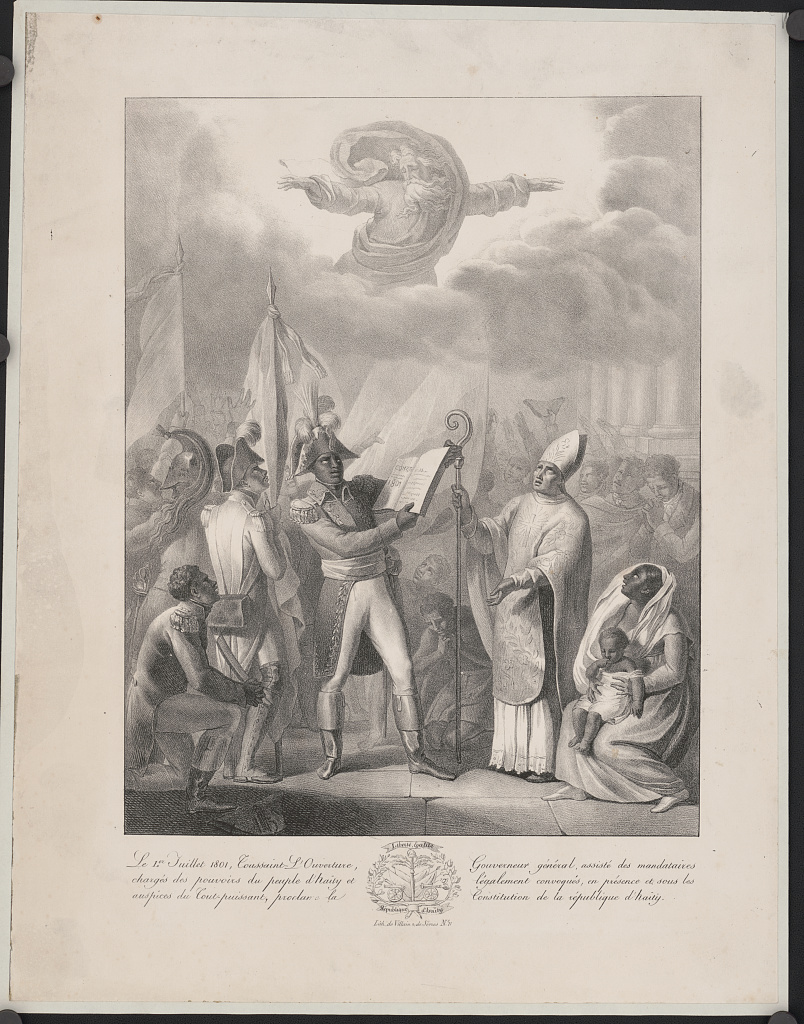
Historical lithograph related to Toussaint L’Ouverture and the 1801 constitution
Historical lithograph: Toussaint L’Ouverture and the 1801 Constitution. Source: Library of Congress.
4

A Turning Point for North America

Before Haiti’s independence, Napoleon envisioned building a vast French empire in the Americas, with Saint-Domingue serving as its economic center.

After France’s defeat in Haiti, Napoleon abandoned those ambitions and sold the Louisiana Territory to the United States in 1803.

Historical depiction of conflict during the Haitian Revolution
Historical depiction: Revolution-era conflict in Saint-Domingue.
5

The Cost of Freedom

Victory did not end Haiti’s struggle. The United States did not officially recognize Haiti as an independent nation until 1862, decades after its independence.

In 1825, France demanded that Haiti pay 150 million francs as compensation for the loss of plantations and enslaved people. Under threat of military force, Haiti agreed.

6

Why This Story Matters

The Haitian Revolution stands as one of humanity’s greatest struggles for freedom. It challenged slavery, transformed international politics, influenced the future of the Americas, and demonstrated that courage, unity, and perseverance can change history.

At Big Prayer Museum™️, we believe preserving these stories helps future generations better understand the past while building a more thoughtful and compassionate future.

Global Impact

Inspired conversations about abolition, freedom, and justice.

Human Dignity

Reminds us that liberty is a right, not a privilege.

Responsibility

Preserving history helps build a more truthful future.

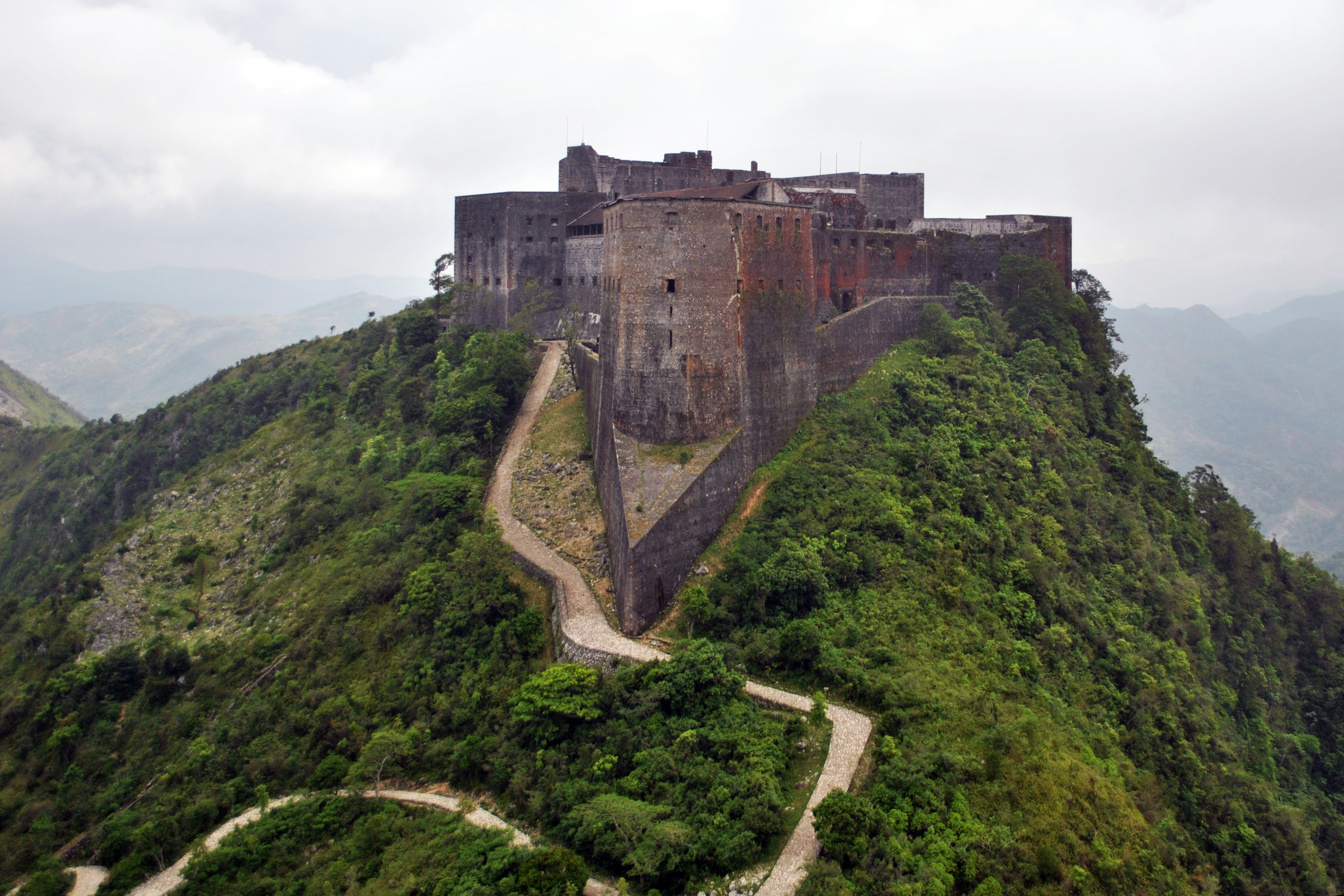
Modern aerial photograph of Citadelle Laferrière in Haiti
Modern photo: Citadelle Laferrière, Haiti. Related historical site. Source: United States Army / public domain.
Truth Question of the Day

Do You Think America Owes Haiti?

  • Should historical contributions receive greater recognition?
  • What responsibilities, if any, do nations have when past events continue to shape the present?
  • How can understanding history help build a more just future?
Citadelle Laferrière in Haiti
Modern photo: Citadelle Laferrière, Haiti. Used as a present-day historical-site image, not as a revolution-era photograph.

Living the Legacy

History is more than remembering the past. It is understanding how courage changes the future.

Living the Legacy. Preserving the Truth. Inspiring Future Generations.

Think Act Positive™️

Continue Exploring Museum Stories

Return to the Museum Stories page to explore more truth, legacy, resilience, and public learning features from Big Prayer Museum.

Return to Museum Stories